
Spring is one of the busiest times of the year for farmers, landscapers, and property owners alike — and a well-maintained tractor can make all the difference. After a long winter of storage or light use, preparing your tractor with the right maintenance tasks ensures it runs smoothly, efficiently, and reliably when the workload ramps up.
At Weeks Tractor, we recommend taking time now to complete essential maintenance tasks so your tractor is ready for spring work and peak season performance.
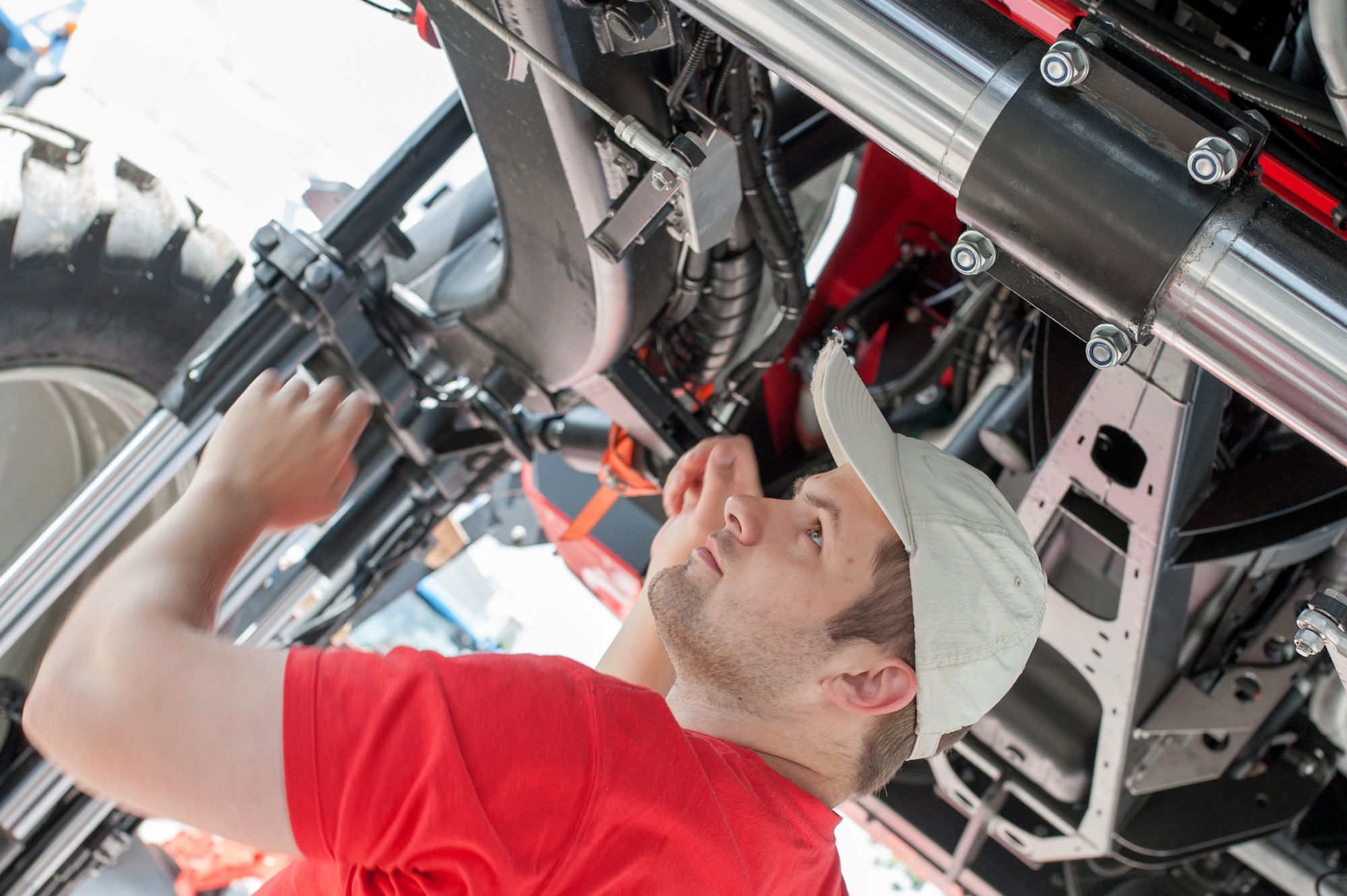 Perform a Thorough Visual Inspection
Before doing anything else, take a slow walk-around of your tractor.
-
Look for visible wear or damage to belts, hoses, connections, and fittings.
-
Check for leaks or cracked seals beneath the engine and around hydraulics.
A careful inspection can help you catch small issues early — before they become costly repairs during spring work.
Check and Change Fluids
Fluids are the lifeblood of your tractor’s systems. After winter storage, it’s important to:
-
Inspect engine oil, and change it if needed.
-
Check coolant, transmission fluid, and hydraulic oil levels.
-
Replace these fluids or top them off according to your tractor’s owner manual.
Fresh fluids improve lubrication, protect against wear, and enhance performance as temperatures rise and work demands increase.
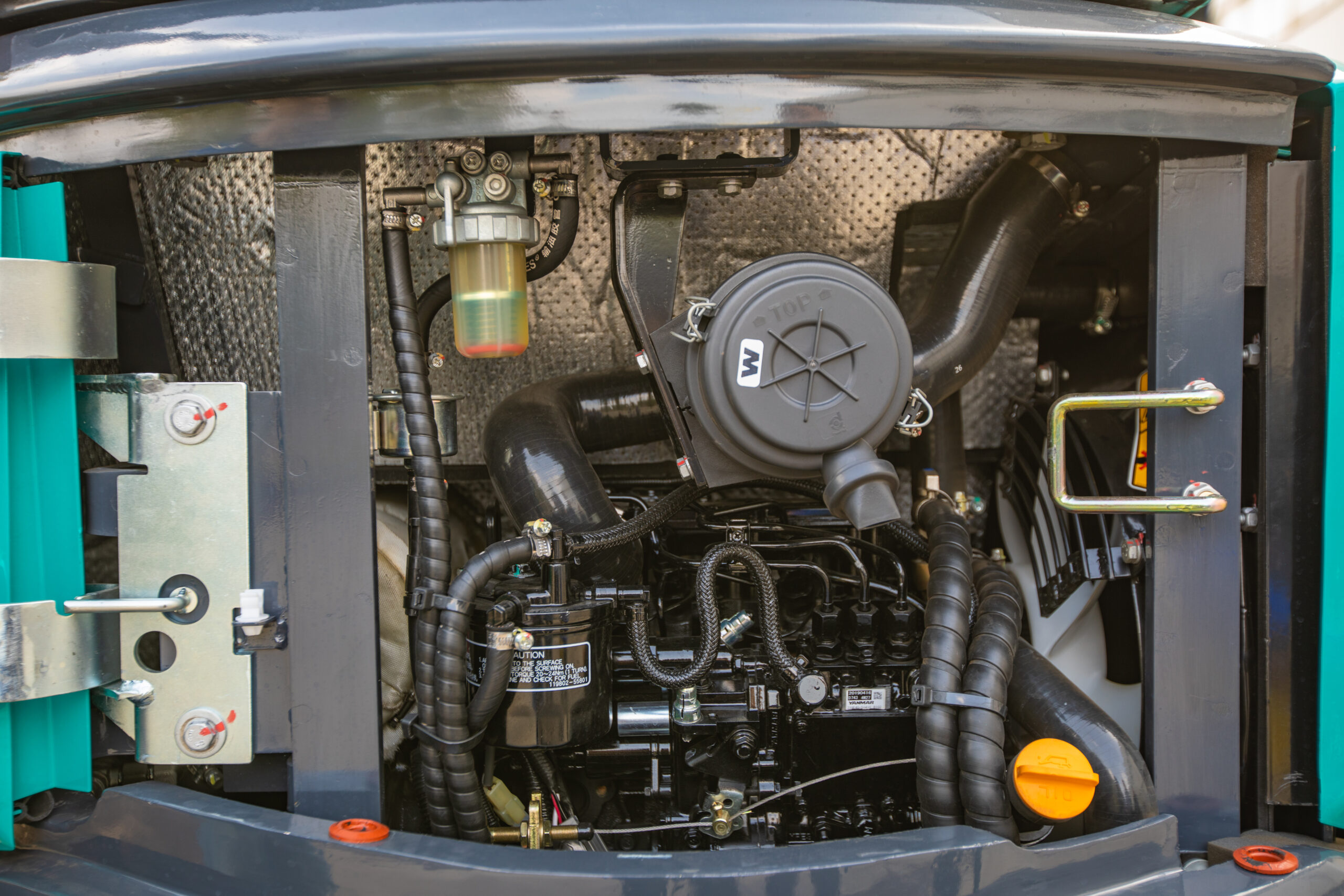
Inspect and Replace Filters
Over time, air and fuel filters accumulate dust, dirt, and moisture — especially if your tractor sat idle during the winter months.
-
Clean or replace air filters to ensure proper airflow to the engine.
-
Replace fuel filters to improve engine performance and prevent clogs.
Clean filters help your tractor breathe easier and reduce strain on the engine systems.
Test and Service the Battery
Cold weather can weaken a battery even if your tractor wasn’t used regularly.
-
Check the battery charge and connections.
-
Clean corrosion from terminals.
-
Recharge or replace the battery if needed.
Ensuring your tractor battery is in great shape means you’ll enjoy fast starts when spring arrives, without frustrating delays.
Inspect Tires, Belts, and Hoses
Winter storage and fluctuating temperatures can affect key components:
-
Check tire pressure and adjust to the recommended PSI.
-
Inspect belts and hoses for cracks or wear.
Proper tire pressure improves traction and fuel efficiency, while sound belts and hoses prevent unexpected breakdowns in the field.
Grease Moving Parts and Attachments
Lubrication is essential before you start heavy spring tasks:
-
Grease pins, joints, bearings, and implement attachment points.
-
Check attachments like mower decks, loaders, and tillers for proper operation.
Well-lubricated parts reduce friction and wear, helping your tractor run quietly and efficiently.
 Lights, Belts, and Safety Features
Spring work often starts early and ends late — proper lighting is important.
-
Test headlights, work lights, and warning indicators.
-
Ensure safety features like ROPS (roll-over protection system) and seat belts are intact.
Good visibility and functioning safety systems help protect you and your crew.
Spring Ready Checklist
- Full walk-around inspection
- Oil, coolant & hydraulic fluid check
- Replace air & fuel filters
- Test/load battery
- Tire pressure & wear inspection
- Grease moving parts
- Lights & safety systems tested
Preparing now means less downtime, fewer last-minute issues, and more productive spring work. Taking time to complete key maintenance tasks ensures your tractor is strong, reliable, and ready for the season ahead.
