
Choosing the right tractor is an important decision for property owners, farmers, and land managers. With several tractor categories available, many buyers often ask the same question: Should I choose a compact tractor or a utility tractor? Both machines offer powerful capabilities, but they are designed for different types of work and property sizes.
Understanding the differences between these two types of tractors can help you invest in the equipment that fits your needs today while also supporting your long-term productivity. At Weeks Tractor, customers frequently compare compact and utility tractors when preparing for property maintenance, farm work, and seasonal tasks across Natchitoches and surrounding areas.
Understanding Compact Tractors
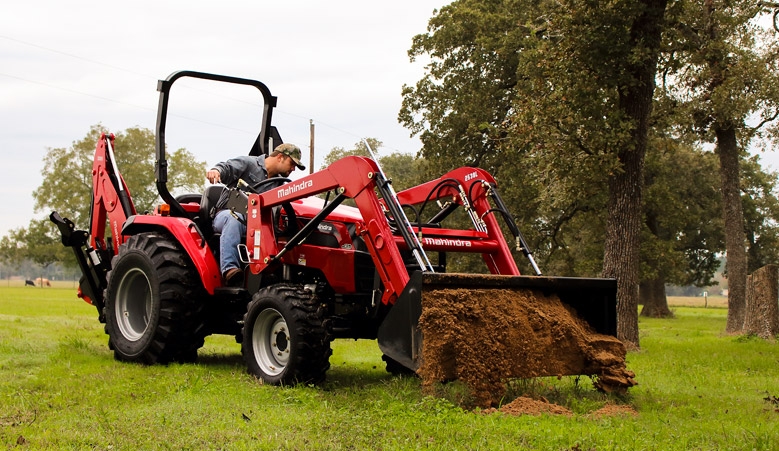
Compact tractors are designed for versatility and ease of use, making them popular among homeowners, small landowners, and landscaping professionals. These tractors typically range from about 20 to 60 horsepower and are smaller in size, which makes them easier to maneuver in tight spaces.
Many compact tractors can handle a wide range of attachments such as loaders, mowers, tillers, and box blades. Because of their smaller frame, they are well-suited for working around homes, barns, fences, and landscaped areas where larger equipment might be difficult to operate.
Compact tractors are also attractive for new tractor owners because they are generally easier to operate and maintain. For property owners who manage a few acres of land, perform routine maintenance, or handle light agricultural tasks, a compact tractor can provide plenty of power without being overly large or complex.
What Defines a Utility Tractor?
Utility tractors are larger, more powerful machines designed to handle heavier workloads. These tractors typically offer horsepower ranges from around 45 to over 100 horsepower and are built for more demanding agricultural and commercial applications.
Because of their larger size and stronger engines, utility tractors can pull heavier implements and handle more intense tasks. This might include larger field work, hauling equipment, operating heavier attachments, or working across large properties.
Utility tractors are often used by farmers, ranchers, and businesses that require dependable power for daily operations. Their stronger hydraulic systems and increased lifting capacity also make them ideal for handling bigger loads or more demanding implements.
Key Differences Between Compact and Utility Tractors
The biggest differences between compact and utility tractors come down to size, horsepower, and workload capability.
Compact tractors are smaller and easier to maneuver, making them ideal for residential properties or smaller acreage. They are often the right choice for mowing, landscaping, driveway maintenance, and light material handling.
Utility tractors, on the other hand, are built for heavier work. They provide greater engine power, larger frames, and stronger lifting capacity. These machines are designed for bigger agricultural jobs, heavier attachments, and larger work areas.
Choosing between the two depends on how much land you manage, the type of work you plan to do, and how often you expect to use the tractor.
Matching the Tractor to Your Property Size
Property size plays a major role in choosing the right tractor. For landowners with a few acres who primarily handle mowing, light grading, or landscaping, a compact tractor often provides more than enough capability.
However, if you manage larger acreage, operate agricultural equipment, or regularly move heavy materials, a utility tractor may be a better long-term investment. The additional power and durability can make demanding tasks faster and more efficient.
Many customers begin with a compact tractor but upgrade to a utility tractor as their land use expands or their workload increases.
Attachments and Versatility
Both compact and utility tractors support a wide variety of attachments, but the scale of those attachments often differs. Compact tractors are well-suited for smaller implements such as finish mowers, small loaders, and landscaping tools.
Utility tractors can accommodate larger and heavier attachments designed for fieldwork, land clearing, or commercial operations. This increased versatility allows utility tractors to perform more demanding jobs but also requires more space and experience to operate effectively.
When selecting a tractor, it’s helpful to think not only about your current tasks but also about what attachments you might need in the future.

Which Tractor Is Right for You?
The right tractor ultimately depends on how you plan to use it. Compact tractors are ideal for homeowners and property managers who need versatility and maneuverability for everyday maintenance tasks. Utility tractors are better suited for larger properties, heavier workloads, and agricultural operations where power and durability are critical.
If you’re unsure which tractor category best fits your needs, speaking with experienced equipment professionals can make the decision much easier.
Finding the Right Tractor in Natchitoches
Selecting the right tractor is about more than horsepower—it’s about choosing equipment that matches your property, workload, and long-term goals. A tractor that fits your needs will operate more efficiently, last longer, and provide better value over time.
At Weeks Tractor, customers can explore both compact and utility tractors while receiving guidance from experienced equipment specialists. Whether you manage a few acres or operate a large property, the right tractor can help you work smarter and accomplish more throughout the year.
